Will property prices increase near Etihad Rail’s new UAE stations?
Dubai’s Al Yalayis passenger station is nearly complete two months ahead of its scheduled opening, potentially creating a new property hotspot around Jumeirah Golf Estates.
Property prices and rents around Etihad Rail’s new passenger stations could receive a boost as the national network changes how people commute between the UAE’s cities and emirates.
Dubai’s first Etihad Rail passenger station is nearly complete, almost two months before it is scheduled to welcome passengers on September 30.
Al Yalayis Station is located beside Jumeirah Golf Estates Metro Station, creating an interchange between the national railway and Dubai Metro. Work is continuing on the roads, bridges and surrounding infrastructure ahead of the opening.
That connection could become an important selling point for nearby homes. Residents will potentially be able to use the same transport hub to travel around Dubai or board national services to other parts of the UAE.
For buyers and tenants, shorter and more predictable journeys can make previously car-dependent communities more attractive. For property developers, a major station can support new homes, offices, shops and hospitality projects in the surrounding area.
Etihad Rail could reshape commuting
The property impact may eventually extend beyond Dubai.
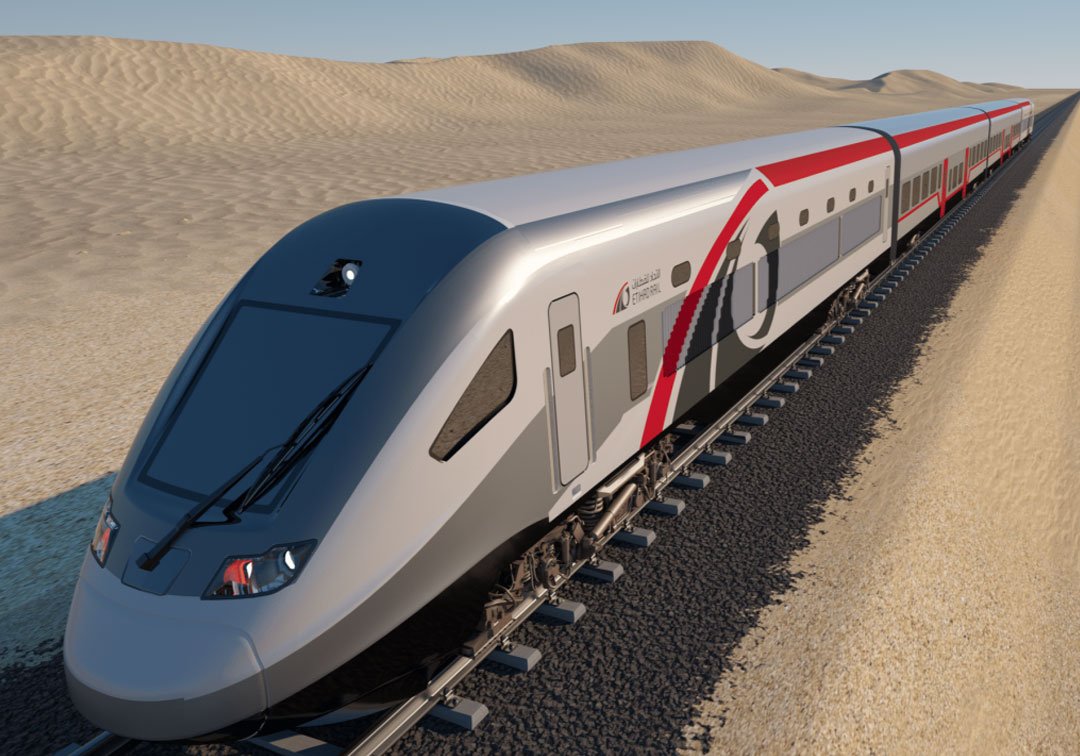
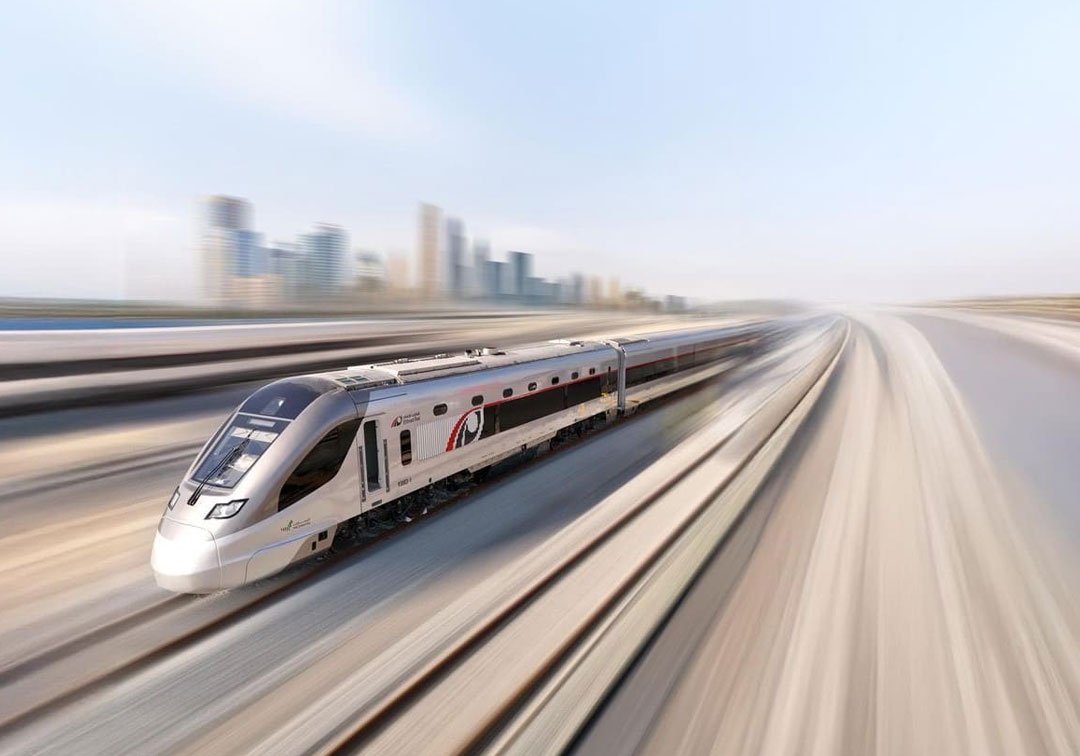
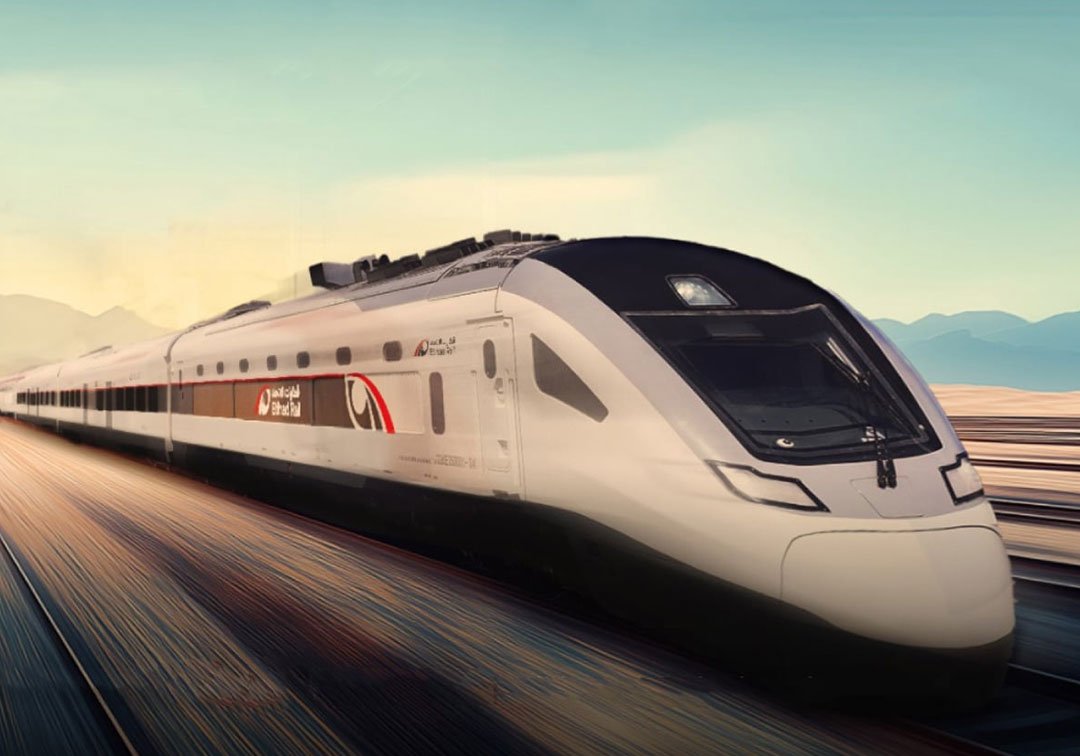
Etihad Rail’s 900km network connects all seven emirates and is designed to make cross-emirate travel faster and more predictable. Passenger trains will travel at speeds of up to 200km per hour.
If the service allows more people to live in one emirate and work in another, demand could spread to comparatively affordable communities within easy reach of stations.
Investors may also begin comparing properties according to journey times rather than traditional geographic boundaries. A home farther from central Dubai could become more attractive if rail provides a reliable connection to major employment districts.
However, a station alone does not guarantee higher prices. Service frequency, ticket costs, first- and last-mile transport, parking and the quality of surrounding development will all influence demand.
The opening of Al Yalayis will provide the first major test of whether Etihad Rail can create a national version of the property premium already associated with Dubai Metro.
Dubai Metro offers property precedent
Although it is too early to put a reliable figure on the Etihad Rail effect, Dubai’s existing Metro network provides evidence that proximity to rail connections can influence property performance.
Research from CBRE found that residential properties within a 15-minute walk of a Dubai Metro station increased in value by an average of 26.7 percent between 2010 and 2022. Across Dubai as a whole, average residential prices rose by 24.1 percent over the same period.
The difference was more pronounced in the rental market. Between 2018 and 2022, rents for homes within a 15-minute walk of a station increased by 5.7 percent, while the citywide average fell by 4.1 percent.
Properties located between 10 and 15 minutes from a Metro station recorded average rental growth of 11.7 percent.
Separate academic research into the impact of Dubai Metro found that residential values within one kilometre of a station received a positive uplift, although homes extremely close to rail infrastructure did not necessarily perform as strongly.
This suggests the greatest winners around Al Yalayis may not be the closest properties, but communities that combine convenient station access with schools, shops, employment centres and established amenities.
Boost to economy
Armin Moradi, founder and CEO of Qashio, described Etihad Rail as a “structural shift” in how economic value moves across the UAE.
“The economic value of a railway lies in how it changes the behaviour of businesses, workers and consumers alike,” he said.
The 900km national network connects all seven emirates and links major centres of trade, manufacturing, industry and logistics. Freight capacity is expected to reach 60 million tonnes annually by 2030, while the wider UAE Railway Programme is projected to generate AED200 billion in economic opportunities.
Moradi said improved transport connections could create more predictable costs for businesses, particularly those moving imported goods or distributing products across the Emirates.
Greater reliability would allow companies to plan procurement more confidently, forecast margins more accurately and potentially hold less inventory as protection against delivery delays.
The network could also reshape the UAE’s labour market by making it easier for companies to recruit people living in other emirates.
“A company in Abu Dhabi may find it easier to access talent living in another emirate,” Moradi said. “A skilled worker in Fujairah may consider roles that previously felt too distant for daily travel.”
Credits & Disclaimer: This article are credited to the Associated Press, it's authors and editors. Likewise, the images are for illustration purposes only and credited all to their respective owners. The accuracy of the article is subject from the information grabbed from the sources at the time of posting this article.