UAE property trends: 4 technologies changing how people buy, invest and live in real estate
UAE real estate is embracing tokenisation, agentic AI, investor platforms and air quality technology as developers target the next phase of property growth.
Technology is becoming an increasingly important part of the UAE property market, changing how investors access real estate, developers manage projects and residents interact with their homes.
From property tokenisation and autonomous AI systems to digital investor dashboards and real-time air quality monitoring, Amaal has identified four technology trends it expects to influence UAE real estate during the second half of 2026.
It comes as Dubai’s residential property market generated AED25.95bn ($7.1bn) in sales across 12,748 transactions during July 2026, with off-plan developments continuing to dominate buyer activity despite a more measured pace compared with the exceptionally strong market seen a year earlier.
UAE property trends
1. Real estate tokenisation widens access to property investment
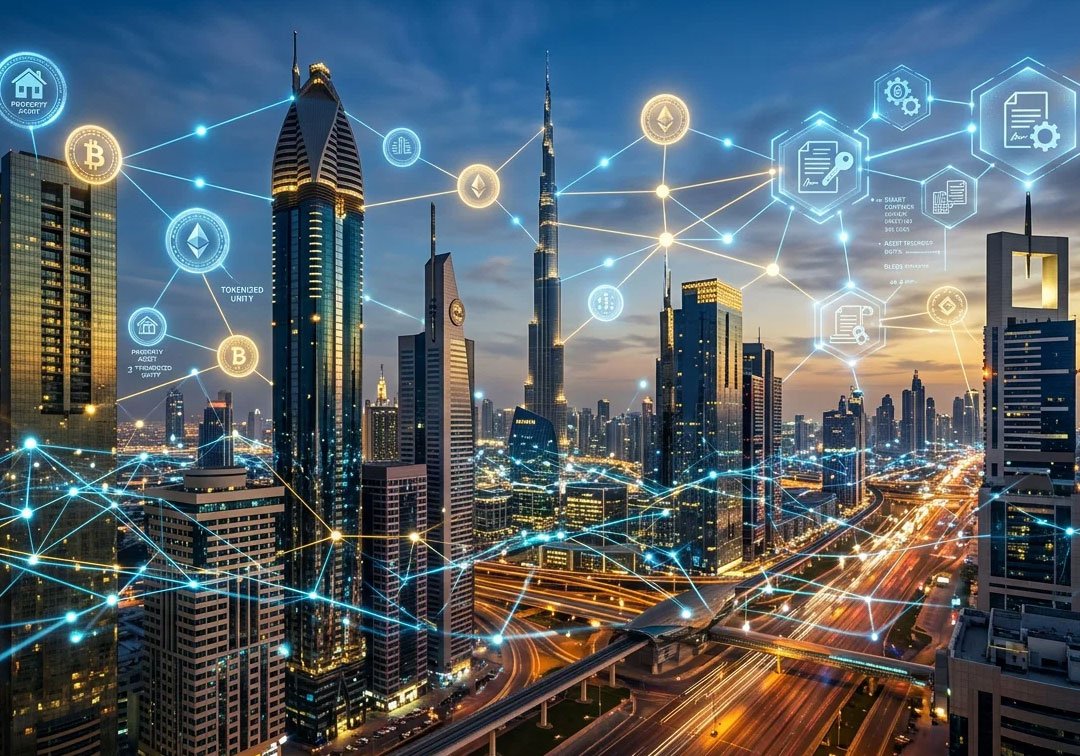
Property investment models in the UAE are moving towards blockchain-enabled fractional ownership, allowing high-value real estate to be divided into digital units.
The model is designed to broaden access and improve liquidity, allowing investors to participate in luxury and large-scale developments without requiring full ownership of an asset.
The trend comes as the Dubai Land Department has an initiative to digitise up to 7 per cent of property transactions, equivalent to approximately $16bn by 2033.
In Dubai, Amaal is working with IOPn to develop tokenised property solutions for residential projects, with the partnership aimed at making investment accessible to a wider investor base.
2. Agentic AI moves into UAE real estate
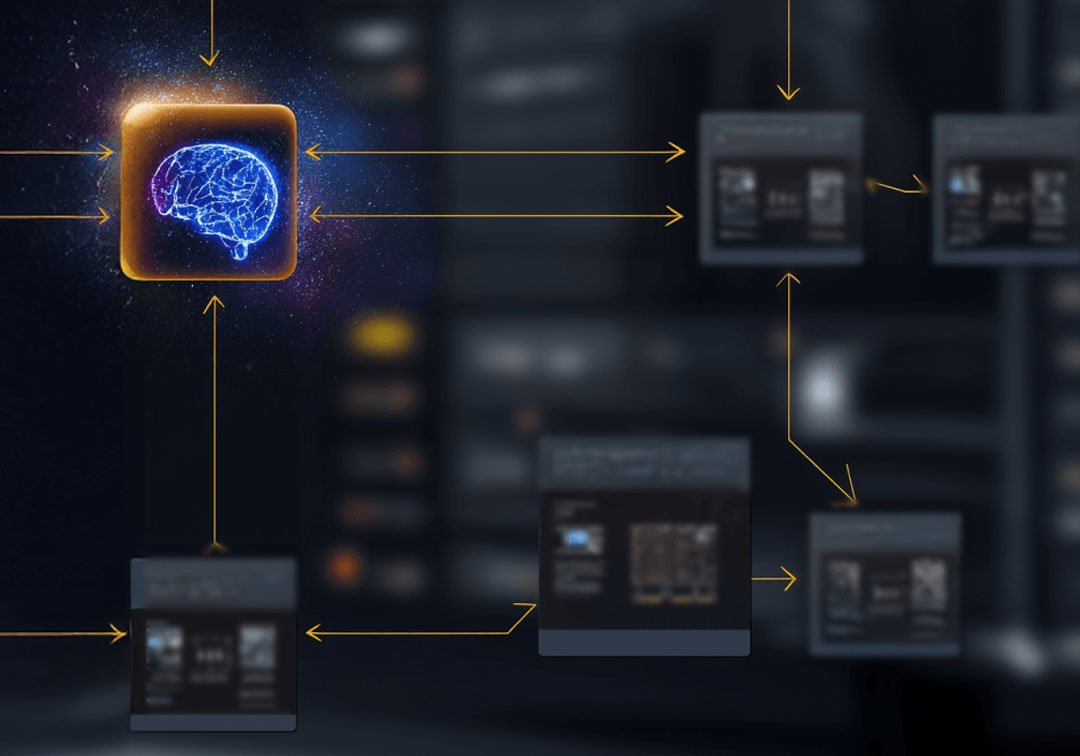
Artificial intelligence in real estate is moving beyond assistants and chatbots towards autonomous systems capable of carrying out operational work across leasing, property management, compliance and investment functions.
Real estate involves constant coordination between tenants, buyers, brokers and service providers, creating potential applications for AI workforce deployment.
In leasing, for example, an “AI employee” can qualify leads, respond to enquiries, schedule viewings, follow up with prospects and generate contracts.
For investors, AI systems can analyse portfolio performance, forecast rental yields, simulate pricing scenarios and identify underperforming assets in real time.
Industry research, including McKinsey estimates cited in the source, suggests AI could unlock up to $550bn in value across the real estate value chain.
3. Digital dashboards give off-plan investors greater visibility
Digital investor platforms are also becoming an increasingly important part of new property developments as developers place greater emphasis on financial transparency during the ownership journey.
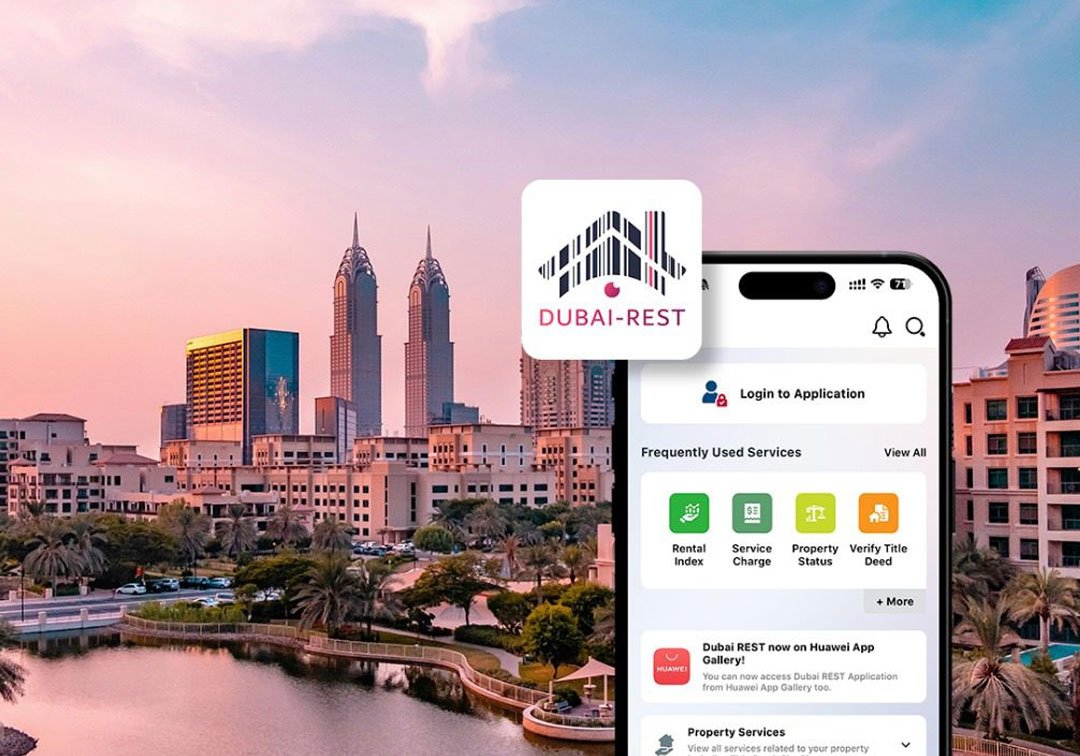
Investor dashboards can provide buyers with real-time visibility into payment schedules, escrow updates, construction milestones and ownership documentation.
Instead of relying on separate communication channels or static instalment schedules, the platforms provide a centralised location where investors can monitor project progress and manage multiple investments.
According to Amaal, this shift can help strengthen confidence in off-plan purchasing while reducing administrative friction for developers and buyers.
4. Real-time air quality monitoring enters residential buildings
Technology is also changing the way developers approach indoor air quality as health and wellness become considerations within premium residential developments.
Purification technology now includes active systems designed to break down pollutants at a molecular level rather than simply filtering them, targeting pathogens, allergens and volatile organic compounds released by interior materials.
A newer development is the addition of monitoring technology. Sensors embedded in individual units and common areas can track pollutant levels, humidity and ventilation performance in real time, with the information fed into building management systems and resident-facing apps.
According to Amaal, as lifestyle plays a bigger role in property buying decisions, air quality is becoming part of the premium residential offering in the UAE.
Credits & Disclaimer: This article are credited to the Associated Press, it's authors and editors. Likewise, the images are for illustration purposes only and credited all to their respective owners. The accuracy of the article is subject from the information grabbed from the sources at the time of posting this article.